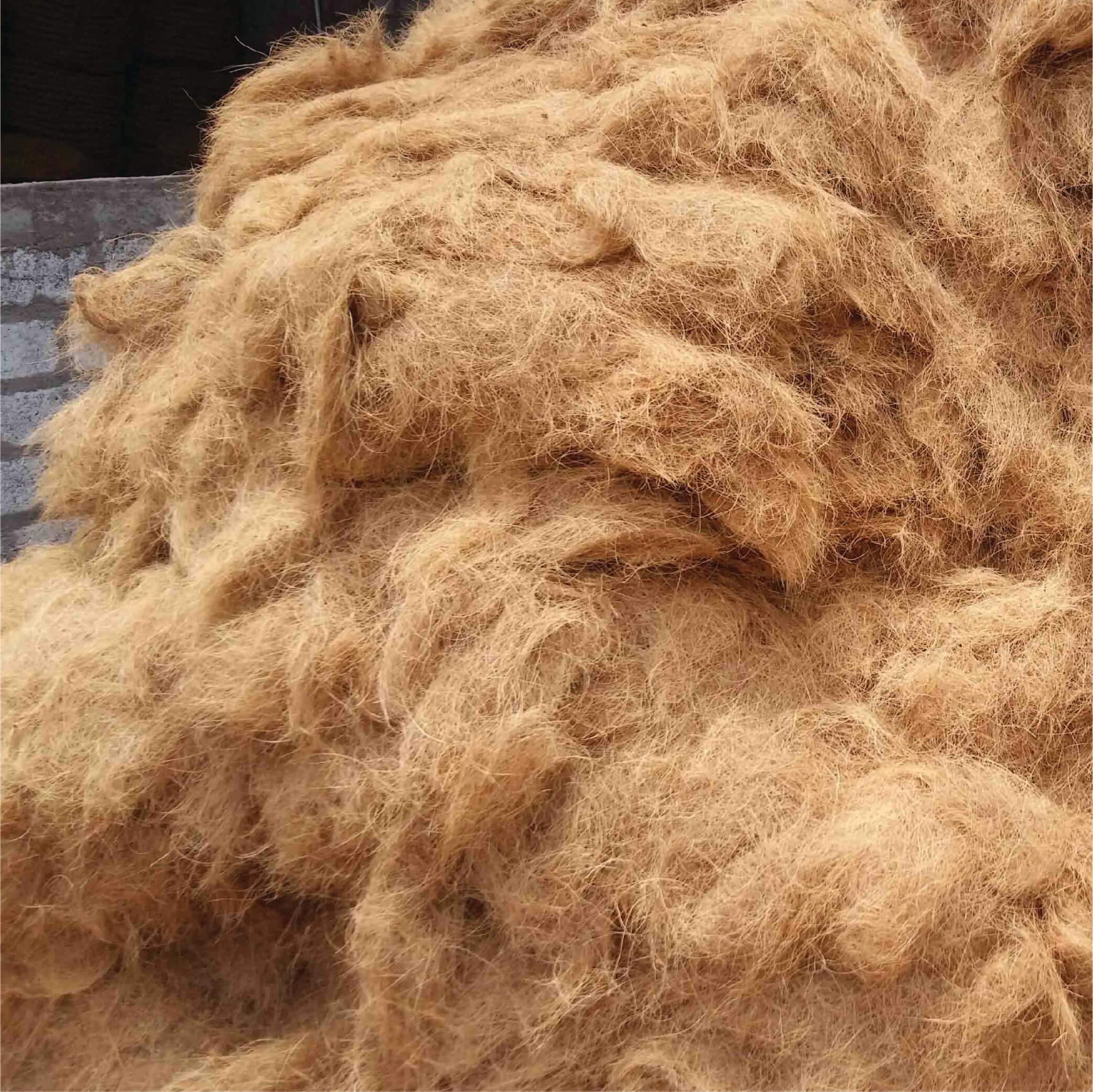
What is oconut Fiber
Introduction to Coconut Fiber
Coconut fiber, also known as coir, is a versatile and resilient natural material extracted from the husk of coconuts. Historically, it has been used for centuries in traditional societies for crafting ropes, mats, and brushes. Today, coconut fiber has gained significant traction in various industries due to its eco-friendly properties and wide range of applications.
Composition of Coconut Fiber
Coconut fiber is primarily composed of lignin and cellulose, which confer its durability and robustness. The high lignin content makes it more resilient compared to other natural fibers, while the cellulose provides flexibility. Structurally, coconut fibers are composed of numerous microscopic threads, creating a dense and fibrous material that is both strong and lightweight.
Extraction and Processing
The extraction of coconut fiber can be accomplished through both traditional and modern methods. Traditional techniques involve retting the husks in water for several months to separate the fibers, followed by manual beating. Modern techniques utilize mechanical decorticators and defibrillators to streamline the process, enhancing efficiency and reducing labor costs.
Types of Coconut Fiber
Coconut fiber is categorized into two main types based on the maturity of the coconut:
- Brown Fiber: Extracted from mature coconuts, this type is thick, strong, and durable. It is commonly used in products requiring sturdiness, such as mats, brushes, and erosion control materials.
- White Fiber: Derived from immature coconuts, this fiber is finer and more flexible. It is ideal for making finer brushes, ropes, and fishing nets. The differences in texture and strength between brown and white fibers make each suitable for specific applications.
Environmental Benefits
The environmental advantages of coconut fiber are manifold. It is a renewable resource, as coconuts are harvested multiple times a year. Utilizing coconut husks, which are often discarded as waste, contributes to waste reduction. Moreover, the production of coconut fiber has a relatively low carbon footprint compared to synthetic fibers, supporting efforts to mitigate climate change.
Applications in Textiles
Coconut fiber is increasingly being used in the textile industry. Its natural properties make it an excellent material for creating durable fabrics and clothing. Innovations in textile manufacturing have led to the development of coir-based geotextiles, which are used for soil stabilization and erosion control, blending functionality with environmental stewardship.
Applications in Agriculture
In agriculture, coconut fiber plays a pivotal role in enhancing soil quality and controlling erosion. It improves soil aeration and water retention, making it ideal for use in horticulture and hydroponics. Coco peat, a byproduct of coconut fiber processing, is widely used as a soil conditioner and growing medium, promoting sustainable agricultural practices.
Applications in Construction
Coconut fiber is making inroads into the construction industry as well. It is used in the production of building materials such as coir-based composites, which serve as eco-friendly alternatives to traditional materials. These composites are utilized for insulation and reinforcement, offering both thermal and acoustic benefits while reducing the reliance on non-renewable resources.
Applications in Consumer Goods
The versatility of coconut fiber extends to consumer goods, where it is used to manufacture a range of eco-friendly products. From biodegradable planters and doormats to natural scrubbers and mattresses, coconut fiber offers sustainable solutions that appeal to environmentally conscious consumers. Its use in home and personal care items underscores its wide-ranging applicability.
Challenges and Solutions
Despite its many benefits, the production of coconut fiber is not without challenges. Issues such as inconsistent quality, labor-intensive extraction processes, and limited technological advancements can hinder its widespread adoption. However, ongoing research and development efforts are focused on addressing these challenges, with innovations aimed at improving the efficiency and quality of coconut fiber production.
Future Prospects
The future of coconut fiber looks promising, with emerging technologies and market trends pointing towards increased adoption. Advances in processing techniques, coupled with a growing demand for sustainable materials, are expected to drive the expansion of coconut fiber applications. As industries continue to seek eco-friendly alternatives, coconut fiber is poised to play a crucial role in the sustainable development landscape.
In summary, coconut fiber is a remarkable natural material with a wide range of applications across various industries. Its sustainability, coupled with its unique properties, makes it an invaluable resource in the quest for environmentally friendly solutions. The ongoing advancements and future prospects of coconut fiber underscore its potential to contribute significantly to a more sustainable world.