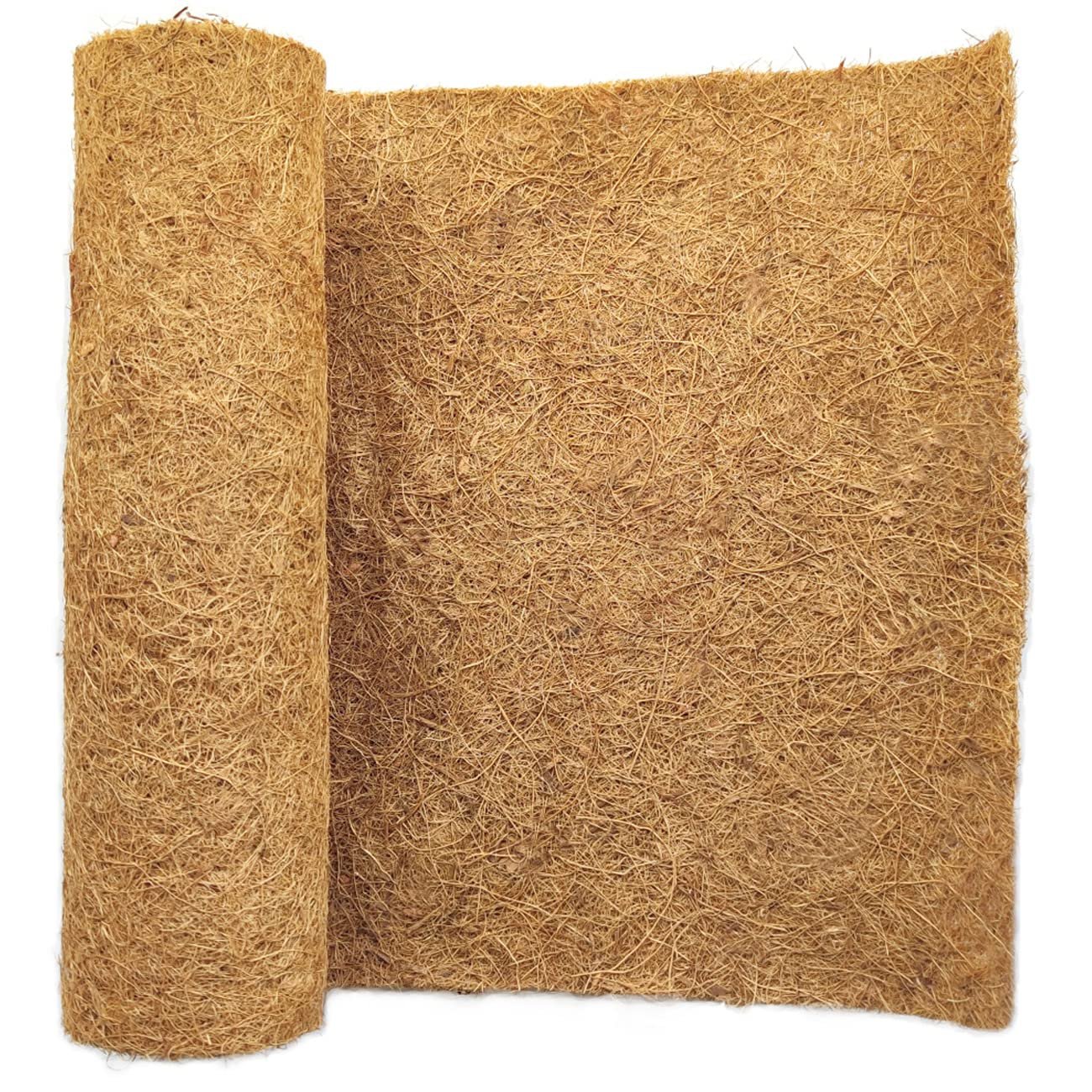
What is coco sheets
Introduction to Coco Sheets
Coco sheets, derived from the fibrous husks of coconuts, have emerged as a versatile and eco-friendly material across various industries. Originating from tropical regions, where coconuts are abundant, these sheets are now integral in applications ranging from agriculture to construction. The significance of coco sheets lies in their sustainability and adaptability, making them a favored choice in an increasingly eco-conscious world.
Composition of Coco Sheets
Coco sheets are composed of coir fibers, which are extracted from the outer husk of coconuts. These fibers are rich in lignin and cellulose, imparting durability and resilience. The physical characteristics include high tensile strength and natural resistance to microbial degradation, while chemically, coco sheets exhibit neutral pH levels and low electrical conductivity, making them suitable for diverse applications.
Production Process
The production of coco sheets begins with the harvesting of mature coconuts. The husks are separated, soaked, and mechanically processed to extract coir fibers. These fibers are then washed, dried, and treated to remove impurities. The final step involves pressing the treated coir into sheets of varying thickness and density, depending on the intended use. Modern manufacturing techniques ensure consistent quality and enhance the functional properties of coco sheets.
Types of Coco Sheets
Coco sheets come in several types to meet different needs:
- Standard Coco Sheets: Typically used in agricultural and horticultural applications, these sheets are available in standard sizes and densities.
- Custom and Specialized Coco Sheets: Tailored for specific industries, these sheets can be customized in terms of thickness, density, and composition.
- Variations in Thickness and Density: Coco sheets are produced in varying thicknesses and densities to suit different applications, from lightweight packaging to heavy-duty construction materials.
Environmental Benefits
One of the primary advantages of coco sheets is their environmental sustainability. As a renewable resource, coconut husks are harvested multiple times a year, ensuring a continuous supply without depleting natural resources. The production process is eco-friendly, with minimal chemical inputs and low energy consumption. Moreover, coco sheets are biodegradable and compostable, contributing to waste reduction and soil health.
Applications in Agriculture
In agriculture, coco sheets serve as an effective mulch and ground cover. They help retain soil moisture, suppress weed growth, and regulate soil temperature. In horticulture and hydroponics, coco sheets provide an excellent growing medium, promoting healthy root development and enhancing plant growth. Their natural properties also make them resistant to fungal and bacterial infections, ensuring a healthier growing environment.
Applications in Construction
Coco sheets are gaining traction in the construction industry for their insulating and soundproofing capabilities. They are used in eco-friendly building materials, providing thermal insulation and reducing noise pollution. Additionally, their durability and resistance to microbial degradation make them suitable for use in various construction applications, from wall panels to flooring underlays.
Applications in Packaging
The packaging industry is increasingly adopting coco sheets as a sustainable alternative to traditional materials. Coco sheets offer robust protection for goods during transit and are biodegradable, reducing the environmental impact of packaging waste. Their compostability further adds to their appeal, aligning with the growing demand for eco-friendly packaging solutions.
Applications in Consumer Products
Coco sheets are also used in a variety of consumer products. In home furnishings, they are used to create eco-friendly mattresses, cushions, and rugs. In the personal care industry, coco sheets are utilized in products such as natural scrubbers and exfoliating pads. Their versatility and sustainability make them a popular choice in creating environmentally conscious consumer goods.
Challenges and Solutions
Despite their numerous benefits, the production of coco sheets faces several challenges. Inconsistent quality of raw materials and labor-intensive extraction processes can hinder production efficiency. However, advancements in processing technology and quality control measures are addressing these issues. Implementing standardized production protocols and investing in research and development can further enhance the quality and availability of coco sheets.
Future Prospects
The future of coco sheets is bright, with emerging trends and innovations driving their adoption across various industries. Advances in processing technology are expected to improve the functional properties and reduce production costs. Market trends indicate a growing demand for sustainable materials, positioning coco sheets for significant growth. As industries continue to prioritize sustainability, coco sheets are poised to play a pivotal role in the development of eco-friendly products and solutions.
In conclusion, coco sheets are a remarkable natural material with a wide range of applications. Their sustainability, combined with their unique properties, makes them an invaluable resource in various industries. As the world moves towards more sustainable practices, coco sheets will undoubtedly play a crucial role in shaping a greener and more sustainable future.