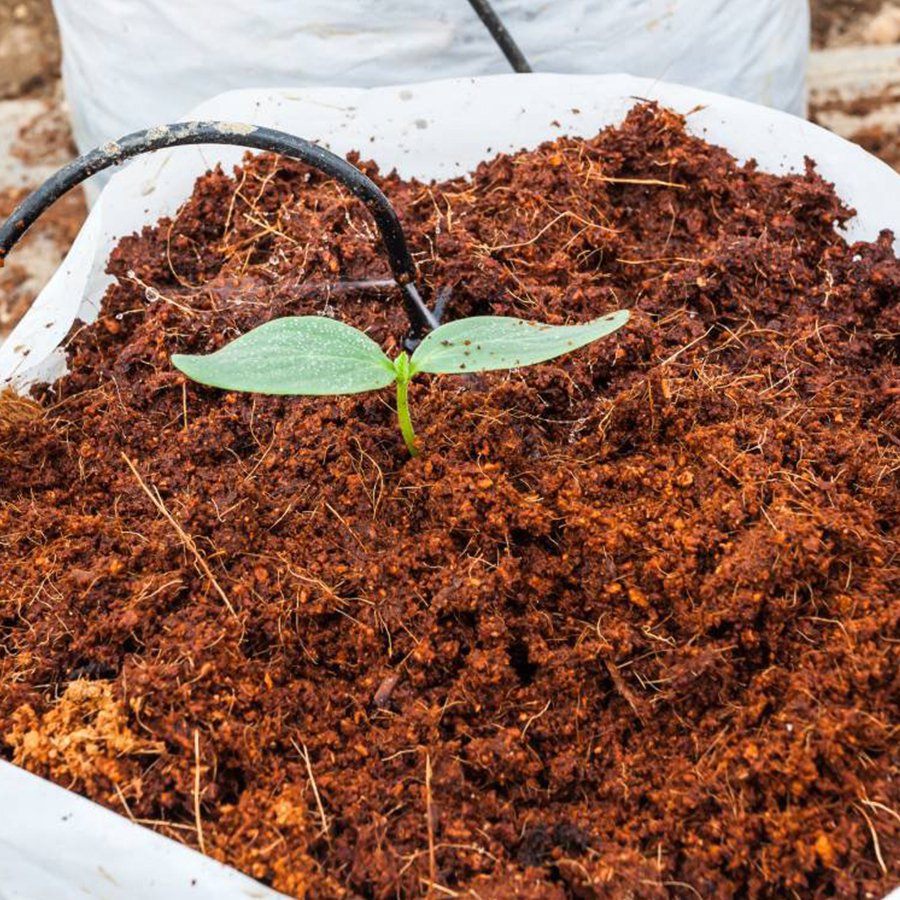
what is Coco Peat
Introduction to Coco Peat
Coco peat, also known as coir pith or coir dust, is an organic soil amendment derived from the fibrous husks of coconuts. Originating primarily from tropical regions where coconut palms flourish, coco peat has become a staple in modern horticulture and agriculture due to its exceptional properties. Its significance lies in its ability to enhance soil structure, promote healthy plant growth, and support sustainable farming practices.
Composition of Coco Peat
Coco peat is composed of cellulose, lignin, and other organic materials that contribute to its unique characteristics. The primary components include coir fiber, pith, and a small percentage of ash. These elements work synergistically to improve soil aeration, water retention, and nutrient availability. Furthermore, coco peat is an environmentally beneficial product as it repurposes coconut waste, reducing landfill contributions and promoting recycling.
Types of Coco Peat
There are several forms of coco peat available to cater to different gardening and agricultural needs:
- Coco Peat Blocks: These compressed blocks are easy to transport and store, expanding significantly when hydrated.
- Coco Peat Bricks: Similar to blocks but smaller, bricks are convenient for small-scale gardening projects.
- Coco Peat Discs: Pre-formed discs are ideal for seed starting and small pots, offering a controlled growing medium.
Production Process
The journey of coco peat begins with the harvesting of mature coconuts. The husks are separated from the nuts and soaked in water to soften the fibers. The softened husks are then mechanically processed to extract coir fibers, with the remaining material being finely ground to produce coco peat. This raw coco peat undergoes washing to reduce salinity, drying, and sieving before being compressed into blocks, bricks, or discs for commercial use.
Benefits of Using Coco Peat
Coco peat offers numerous advantages that make it a preferred choice for gardeners and farmers alike. Its porous structure enhances soil aeration, which is crucial for root development and nutrient uptake. Coco peat's remarkable water retention capability ensures that plants have consistent access to moisture, reducing the frequency of irrigation. Additionally, it is a sustainable and eco-friendly option, as it is biodegradable and helps in reducing the environmental footprint of agricultural practices.
Applications in Gardening
In gardening, coco peat is prized for its versatility:
- Seed Starting and Germination: Its fine texture makes it ideal for seed germination, providing a nurturing environment for young seedlings.
- Potting Mixes: When mixed with other components like perlite or compost, coco peat creates an excellent potting medium that promotes healthy plant growth.
- Hydroponics and Soilless Cultivation: Coco peat serves as a reliable substrate in hydroponic systems, supporting plants without the need for soil.
Applications in Agriculture
Coco peat's benefits extend beyond the garden to larger agricultural operations:
- Crop Production: It enhances soil structure and fertility, leading to improved crop yields.
- Soil Conditioning: Regular application of coco peat helps maintain optimal soil conditions, promoting sustainable farming.
- Erosion Control: Its ability to retain moisture and bind soil particles makes it effective in preventing soil erosion on farmlands.
Coco Peat in Commercial Use
Commercial farming and greenhouse operations have embraced coco peat for its efficiency and cost-effectiveness. Large-scale farms utilize coco peat to improve soil quality and boost productivity, while nurseries and greenhouses rely on it to create optimal growing conditions for a wide range of plants.
Comparing Coco Peat with Other Growing Mediums
When choosing a growing medium, it's important to understand how coco peat compares to alternatives:
- Coco Peat vs. Peat Moss: Unlike peat moss, which is harvested from sensitive bog ecosystems, coco peat is a renewable resource. It also offers superior water retention and aeration.
- Coco Peat vs. Perlite and Vermiculite: While perlite and vermiculite are used to enhance soil aeration and drainage, coco peat provides additional organic matter, improving overall soil health.
Handling and Storage
Proper handling and storage of coco peat ensure its longevity and effectiveness. Store it in a dry, cool place to prevent contamination and degradation. Hydrate coco peat blocks or bricks before use by soaking them in water, allowing them to expand and reach their full potential.
Challenges and Solutions
While coco peat is generally beneficial, it can present some challenges:
- Common Issues with Coco Peat: These include high salinity levels and pH imbalances, which can affect plant health.
- Overcoming Salinity and pH Problems: Washing coco peat thoroughly before use and adjusting the pH with appropriate amendments can mitigate these issues.
Future of Coco Peat
The future of coco peat looks promising with ongoing innovations and developments. Researchers are continually exploring ways to enhance its properties and expand its applications. Market trends indicate a growing demand for sustainable and eco-friendly agricultural products, positioning coco peat as a key player in the industry.
In conclusion, coco peat is a versatile and valuable resource for both gardening and agriculture. Its environmental benefits, coupled with its superior performance as a growing medium, make it an essential component in sustainable farming practices. Embrace coco peat and discover the myriad ways it can enhance your gardening and agricultural endeavors.